

This week’s panel
25 contributorsChristopher Pappas · Whitney Hill · Hershel Glueck · Joseph Depena · Bill McGrath · and 20 more

Christopher Pappas — Founder, eLearning Industry Inc
Choose A Measured Trust Corridor
When costs change quickly and demand is uncertain we first separate short term pressure from long term changes. That helps us avoid emotional decisions and prevents unnecessary price increases for customers. We review delivery effort retention patterns purchase timing and the value customers receive after onboarding. If the value remains steady we avoid making broad pricing changes.
One approach that continues to guide our team is the trust corridor. We set a pricing range that protects margins while remaining easy to explain in a normal conversation. During one review we chose a smaller increase along with clearer usage limits. That helped protect the business reduce friction and maintain strong customer relationships.

Whitney Hill — CEO & Co-Founder, SnapADU
Use Indexed Escalation Clauses
We use clear escalation clauses tied to a recognized construction cost index to protect margin while preserving trust. By building the clause into contracts and explaining how index adjustments work, we set expectations up front so customers are not surprised by later changes. In negotiations and review meetings we show how the clause applies and limit adjustments to transparent, verifiable measures. This approach has consistently guided our pricing decisions when materials shift and demand is uncertain.

Hershel Glueck — CEO, Hero Time
Wait For Patterns Over Spikes
When costs are moving around, the instinct is to adjust prices quickly. I've found that reacting too fast creates more confusion than clarity. We wait for patterns, not spikes. That way, clients see consistency instead of constant changes.

Joseph Depena — Owner, VP Fitness
Build A Holistic Wellness Ladder
I've scaled VP Fitness from a solo training operation in 2011 to a boutique franchise, where managing the high overhead of a downtown Providence facility requires a pricing model that stays steady despite market shifts. I protect our margins by anchoring prices to a comprehensive wellness ecosystem rather than just an hourly labor rate, ensuring customers see the total value of the environment we provide.
Our approach centers on transparent, tiered session packages--ranging from 4 to 12 sessions--that bundle premium amenities like valet parking and nutrition guidance into a fixed cost. This creates a "value-add" buffer; even if my operational input costs rise, the client perceives a stable, high-end experience that justifies the investment without constant price adjustments.
In actual pricing reviews for our Providence personal trainer programs, we focus the conversation on the "360-degree view" of results, such as improved energy levels and mobility, rather than the number of minutes on the clock. By shifting the negotiation to these holistic outcomes and the specialized tools we provide, we maintain trust through consistency while protecting the bottom line of the franchise.

Bill McGrath — Owner, So Clean of Woburn
Itemize And Remove Instead Of Discount
Running a cleaning company in Greater Boston, I deal with this constantly -- supply costs shift, seasonal demand spikes, and customers are price-sensitive. The approach that's saved us repeatedly is transparent, itemized pricing from the very first conversation.
When a client pushes back on price, I don't discount the line items -- I remove them. If the budget's tight, we build a customized plan around what they actually need right now and add services later. That keeps our margin intact and builds trust because the client never feels like they're paying for air.
The real negotiation win for us came when a property manager questioned our apartment building cleaning rates during a cost review. Instead of dropping the number, I walked them through exactly what each service covered -- lobby maintenance, seasonal deep cleans, allergen control rotations. Once they saw the breakdown, the conversation shifted from "why so much" to "what else can we add."
Customers don't erode trust when you raise prices -- they erode trust when they feel surprised. Itemized quotes protect both sides of that equation.

Kuldeep Kundal — Founder & CEO, CISIN
Offer A Clear Benefit Option Matrix
The single biggest mistake that can be made when input costs fluctuates significantly in cost is to react to these fluctuations by increasing the price unilaterally. This adversely impacts the collaborative nature of the relationship between the parties. The way we protect our margins, while not damaging the trust and confidence in our relationship with the client, is to use a Value-Option Matrix (VOM). Rather than presenting a take it or leave it increase in price, we break the project down into modular components and present to the client how an increase in input costs will impact the project in terms of some of the specific outcomes associated with that project, and provide the client three clear options: reprioritize or re-scope the project; adjust the timing for completing the project and; make modifications to the resources being used to complete the project. By converting a bargaining situation into a project strategy conversation, we enable the client to feel empowered, they are not simply paying more, they are actively making choices about the features that deliver the greatest business value in today's economy. This converts the relationship from a transactional exchange to a strategic partner and also establishes a shared understanding of the purpose of preserving margins is to have a long-term healthy project, as opposed to being a tax on the client.
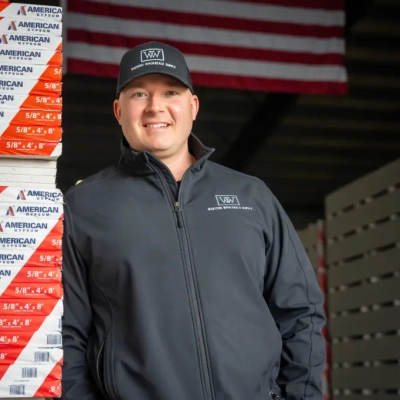
Jake Bean — President & Co-Owner, Western Wholesale Supply
Lead With Market Context And Accuracy
Third-generation distributor here, plus a Navy background where pricing a bad call costs more than money. That combination taught me early: when input costs swing, the worst move is silence.
Our one consistent anchor during volatile periods has been separating the conversation into two parts -- what's changed in the market and why, and what we're doing operationally to absorb or offset it. When drywall pricing shifted on us, we didn't just pass a number to contractors. We walked them through what was happening at the supply chain level so they could build that reality into their own bids before they submitted them. Customers who understand why a price moved rarely feel blindsided by it.
The practical tool that's protected us most is the accurate material estimation work we do upfront with contractors. When a customer brings us their plans and we work through counts together, we're building the relationship around precision and reliability -- not just price. That trust is the margin buffer. Robert Figueroa, who's been a customer for over 20 years, has said he's never found a mistake on one of our invoices. That consistency is what keeps someone from shopping you the moment the market shifts.
Bottom line: price transparency beats price protection every time. If your customer understands your cost reality and trusts your accuracy, a necessary price increase becomes a shared problem to solve -- not a reason to call your competitor.

Ashley Cordova — Vice President, Zia Building Maintenance
Quote From Scope And Execution Risk
I oversee operations, finances, and sales for our family janitorial company, so pricing conversations usually land on my desk. My rule is simple: I don't price from market anxiety, I price from scope clarity and execution risk.
The approach that consistently guides us is doing a real walkthrough and tying price to the actual cleaning variables: floor type, traffic patterns, security requirements, timing, and whether the building really needs day porter service, after-hours cleaning, or both. That protects margin because we're not guessing, and it protects trust because the client can see exactly what they're paying for.
A real example is when a facility wants a cheaper "standard" plan during a review, but their space has shared areas, high-touch restrooms, and floors that need different methods. I'll show them where a one-size-fits-all approach creates rework, damage risk, missed areas, or unstable service, then offer a custom scope instead of just cutting price.
What's worked best in negotiation is being transparent about tradeoffs. If they need the budget lower, we adjust frequency, task mix, or scheduling, but we don't pretend the same service can be delivered for less without consequences. That honesty has helped us keep long-term trust far better than chasing the cheapest number.

Pablo Negrete — CEO, Mountain Village Property Management
Optimize For Lifecycle Net Income
I co-own Mountain Village Property Management in Bozeman, and pricing is something we revisit constantly because we're balancing owner returns, tenant expectations, maintenance costs, and occupancy. The rule that has guided us best is: price from the full lifecycle of the property, not from the volatility of the moment.
In practice, that means we don't react to cost swings by hiding margin inside vague fees or by overpricing rent and risking vacancy. We keep our structure simple and transparent--an 8% promotional management fee for new clients, $0 setup costs, clear reporting, and documented maintenance and inspection workflows--so owners know exactly what they're paying for.
A real pricing review for us usually starts with one question: will this decision protect net income after vacancy, maintenance, and turnover, not just look good on paper today? With a 98% occupancy rate, we've learned that preserving trust and keeping units occupied often does more for margin than trying to squeeze short-term pricing in an unpredictable market.
What helps in negotiation is showing the operating logic, not just the number. When an owner asks why we recommend a certain rent or management approach, we can point to local market knowledge, routine inspections, maintenance response standards, and monthly financial reporting--so the price feels tied to outcomes, not guesswork.

Jonathan Freed — Owner & CEO, Reprive House
Set A Minimum Stay Baseline
Running a private, high-acuity detox in Los Altos Hills requires balancing 24/7 physician-led clinical staffing with concierge-level service. I protect my margins by refusing to bundle services or hide costs in long-term, one-size-fits-all rehab tracks that our executive clients do not want or need.
We use a "Minimum Stay Baseline" approach, setting a five-day minimum that ensures we can provide 24/7 licensed medical supervision regardless of how demand fluctuates. This guarantees our high overhead for clinical excellence is always covered while maintaining a premium, non-institutional environment.
One approach that guides our reviews is prioritizing "Clinical Readiness" over bundled programming. We evaluate guests daily so they only pay for the intensive medical stabilization they need, which builds deep trust with high-performing professionals who value their autonomy and time.

Ryan Oliver — Owner, The Break Downtown
Protect The Core Guest Choice
I'm well-placed to answer this because I've spent years in restaurant operations and I'm still actively involved at The Break Downtown, where pricing has to work in real time for food, drinks, game-day traffic, and a downtown guest base that notices value immediately.
The approach that guides us most is protecting the guest's "yes" item and managing margin around it. In a pricing review, I ask which items define us for the customer, then I'm much more careful there than on products where guests are buying variety, occasion, or add-ons.
At The Break Downtown, that matters on game-day food. If someone comes in across from the Delta Center for wings, burgers, tacos, or a beer before a Jazz or Mammoth game, they already have a value expectation, so we can't get cute and price ourselves out of trust. I'd rather keep those core choices feeling fair and make sure the mix, portions, and adjacent items like upgraded sides or specialty options carry their weight.
A real example is our menu structure itself: a Traditional Cheese Burger at $15.95 sits alongside more premium burgers like the Steak House at $18.95, and our mac lineup runs from The Break Mac n' Cheese at $14.95 up to Lobster or Surf & Turf versions. That kind of ladder gives people a clear choice instead of making them feel squeezed, and in my experience that preserves both margin and credibility.

Faiz Ahmed — Founder, GpuPerHour
Set A Hard Margin Guardrail
The approach that consistently guides my pricing decisions is a margin floor combined with a price ceiling, and I never adjust one without adjusting the other.
At GpuPerHour, my input costs are GPU rental rates from upstream cloud providers, which can swing 15 to 25 percent based on supply availability and spot market dynamics. Demand from my customers is equally unpredictable because it spikes around major AI conference deadlines and new model releases from research labs, then drops sharply afterward.
The rule I follow is that my gross margin on any transaction cannot drop below 11 percent, and my price to customers cannot exceed 130 percent of the trailing 30-day average market rate for the same GPU tier. The floor protects profitability. The ceiling protects trust. When both constraints bind at the same time, meaning my costs are so high that I cannot price competitively and maintain 11 percent margin, I pause that GPU tier's availability rather than sell at a loss or overcharge.
This approach has guided real negotiations. A large customer wanted to lock in a quarterly rate for a cluster of eight H100s. My cost basis was volatile, so quoting a fixed rate was risky. Instead of guessing where costs would land, I offered a rate indexed to a public benchmark, the Lambda Labs on-demand price, with a guaranteed discount of 15 percent below that benchmark. The customer got price predictability relative to the market, and I maintained margin because my actual costs were consistently below the benchmark.
The principle is to anchor pricing conversations to something the customer can independently verify. When they can see the reference point, price changes feel rational rather than arbitrary.
Faiz Ahmed
Founder, GpuPerHour

Jennifer Schaefer — Founder & CEO, JS Benefits Group
Model Claims And Align Plan Design
I set pricing by modeling a client's actual claims and aligning plan design changes to that analysis, while explaining the rationale clearly to the client. In one negotiation with a mid-sized employer facing steady renewal increases, we reviewed HRIS, enrollment, and claims data and found high dependent participation and pharmacy spend driving volatility. We modeled their claims, moved to a level-funded arrangement with appropriate stop-loss, and made moderate adjustments to deductibles and contribution strategy. We also committed to quarterly claims reviews instead of an annual cadence to reduce surprises and enable timely adjustments. The projected fully insured renewal had been around 14 percent but the final outcome was a low single-digit effective increase, and the process reinforced that data-driven, transparent pricing protects margin while preserving customer trust.

Runbo Li — CEO, Magic Hour AI
Benchmark Against The Real Alternative
I'm Runbo Li, Co-founder & CEO at Magic Hour.
Pricing in AI is brutal because your biggest cost, GPU compute, can shift dramatically based on model improvements, demand spikes, and infrastructure changes. Meanwhile your users expect stability. The approach that has consistently guided us is what I call "value anchoring," which means you never price based on your costs. You price based on the output your customer would otherwise have to pay for.
Here's what that looks like in practice. When we first set pricing for Magic Hour, we could have done the math on GPU hours and slapped a margin on top. Instead, we asked a simple question: what does it cost a small business owner to get a professional video made today? The answer was anywhere from $500 to $5,000 per video, plus days of turnaround. We priced our plans so that a user could generate dozens of videos for a fraction of that. The value gap is so wide that even when our compute costs fluctuated, we had room to absorb swings without passing them to users or compressing our margin to zero.
This came up directly during a pricing review last year. Our inference costs dropped meaningfully after we optimized our pipeline and newer open-source models became available. The instinct might be to pocket that margin. Instead, we gave users more credits at the same price point. That single move drove a measurable increase in retention and upgrade rates. Customers felt like the product was getting better over time, not squeezing them harder.
The mistake I see other companies make is cost-plus pricing in a market where costs are moving targets. You end up repricing constantly, which trains your customers to distrust you. They start waiting for the next price drop or fearing the next hike. That erodes the relationship.
When your costs go down, share the upside with users. When your costs go up, the value anchor protects you because customers are still saving 90% compared to the alternative. You never have to justify a price increase that feels arbitrary.
Price against the alternative, not against your invoice. That's how you build a pricing structure that survives volatility and earns loyalty at the same time.

Mike Werner — CEO, Matera Builders Inc.
Specify Exact Materials In Contracts
Running a construction business on the Jersey Shore for over 37 years means input costs can swing hard--lumber, labor, materials--sometimes mid-project. My protection isn't a pricing formula. It's the contract.
Every estimate we produce includes exact material specifications: brand, series, model number. If I'm quoting Andersen 400 Series windows, that's what's written down--not "comparable windows." That specificity locks the scope, so when costs shift, there's no gray area about what was promised and what wasn't.
The real pricing discipline came from working in coastal markets where product performance requirements are non-negotiable. I can't swap in a cheaper window to protect margin when a homeowner in Ocean City needs coastal-rated performance. So instead, I qualify the right clients upfront--homeowners who understand why we specify what we specify--which means price conversations happen before contracts are signed, not during the job.
One practical thing that's helped in real negotiations: milestone-based payment schedules tied to actual project progress. It keeps cash flow aligned with work completed, so neither side is overexposed. Clients who want to pay everything upfront or push all payment to the end are the ones where margin problems usually start.

Kyle Barnholt — CEO & Co-founder, Trewup
Apply Account Memory Before Adjustments
We price with memory rather than reacting only to this quarter's volatility. We look at how each account responded during past inflation cycles earlier promotions and previous pricing changes. That history helps us see whether the issue is a short term concern or a real limit on what the customer will accept. It also stops teams from making quick changes when the market becomes noisy.
In one review this approach changed our decision. The short term numbers pointed to a larger increase but the account had already taken several changes in a short time. We chose a smaller adjustment because keeping trust mattered more than pushing for a paper gain. Over time that choice supported better compliance smoother execution and a more constructive customer relationship.

Ryan Marsh — Founder, SiteWorx Pools, Spas, & Outdoor Living
Document Specs And Formalize Change Orders
I run a low-volume luxury pool design/build firm in Tampa, and I've been in the pool industry since 2008 working with builders, designers, and subs across the country. The pricing approach that protects both margin and trust for us is simple: we don't sell a cheap headline number and "find" the real price later.
In real negotiations, I bring everything back to scope clarity before I talk price pressure. If one quote is lower, I want to know whether we're actually comparing the same excavation assumptions, site conditions, materials, equipment, flow/filtration, cleanup, warranty, and post-build support -- because a lot of "better prices" are just incomplete prices.
One approach that consistently guides our team is separating owner-driven changes from builder responsibility through written change orders. If the client upgrades finishes, adds a spa, or changes lighting, that gets documented clearly; if it's our miss, that's on us to own. That keeps margin decisions disciplined without making the customer feel ambushed.
The practical lesson: when costs swing, don't hide risk inside the base quote and don't eat uncertainty blindly either. Define the knowns, call out the unknowns, and put the adjustment process in writing before the job starts -- customers trust clarity a lot more than they trust a suspiciously low number.

Piotr Jałowiec — Owner, Pro Express, Inc
Price The Mission And Service Level
I've run Pro Express since 2007, and in expedited shipping you make pricing decisions with moving targets every day: fuel, capacity, timing, equipment, and handling. The approach that has guided us most consistently is simple: price the mission, not just the miles.
In a real review, we break the quote into the drivers the customer can understand right away -- urgency, exclusive-use equipment, shipment size, special handling, and delivery conditions like lift gate, inside delivery, or two-man service. That protects margin because we're not hiding risk inside one vague number, and it protects trust because the customer sees exactly what is making the job more expensive.
A good example is when a customer asks for a "same-day" move but the shipment also needs white glove handling and inside placement. Instead of discounting to win it and then suffering on execution, we explain that the transportation is one part, but the premium handling, direct delivery, and added labor are separate value drivers; if budget is tight, we can often adjust the service scope without compromising the shipment.
That's been the best pricing discipline for us in negotiation: give fast options, not defensive explanations. In urgent logistics, customers usually accept a firm price when they feel it's consistent, clearly tied to the service level, and backed by one accountable team that stays with them from pickup to delivery.

Michael Smith — CEO, Complete Window Care
Diagnose First And Recommend Least Invasive Fix
I run Complete Window Care in Colorado Springs, and after 18+ years in window and door repair, replacement, and leak diagnostics, the pricing rule that protects both margin and trust is simple: price the actual failure, not the customer's fear. We inspect first, separate what must be fixed from what's optional, and give the most cost-effective path that will actually hold up in Colorado weather.
That matters most when costs are moving around, because it keeps us from padding jobs "just in case." A lot of window systems are modular, so instead of jumping to full replacement, we often price glass-only repair, hardware repair, seal-related work, or a screen/frame fix if that solves the problem.
A real example from our work: customers have come to us after being told they needed multiple full window replacements, when the real issue was limited to broken pieces or a sill problem. In one case, another company wanted to replace all 3 windows for $4,100.00, and we matched the existing setup and fixed the actual issue for $231.65 without replacing the windows.
So the consistent approach in negotiations or pricing reviews is: diagnose, show the repair-vs-replace options clearly, and recommend the least invasive fix that truly solves the problem. Reddit version: if your pricing only works when the customer doesn't understand the job, it's bad pricing.

Peter Signore — CEO, Dynaris
Decouple Value Story From Cost Threshold
The approach we use at Dynaris when input costs and demand become unpredictable: we separate the pricing conversation into two distinct components — the value anchor and the cost floor — and we manage them independently.
The value anchor is what the customer believes they're getting and what they'd be willing to pay in a stable environment. We set this through clear ROI communication during the sales process and reinforce it through delivery. The cost floor is the actual minimum margin threshold below which we won't operate, regardless of competitive pressure or customer sensitivity.
When costs swing, we don't immediately pass that through to customers — that erodes trust faster than it protects margin. Instead, we absorb short-term volatility within a predefined buffer range (typically 10-15% of margin) without changing pricing. If costs move outside that buffer for more than 60 days, we have an honest conversation with clients about why prices need to adjust, framed around shared cost pressure rather than a unilateral decision.
The approach that's consistently guided our pricing calls: before any price review negotiation, we make sure we've documented the value delivered since the last price discussion. Customers accept price adjustments most readily when the conversation starts with evidence of what they've gotten, not with news of what it'll now cost.
The one rule that's prevented the most pricing errors: never cut price to protect a deal without first understanding whether the deal is worth protecting. Margin erosion to close a low-quality customer destroys capacity to serve high-quality customers. We'd rather lose the negotiation than set a precedent that undercuts our entire book of business.

Anthony Hamilton — Co-Founder & CEO, THE Water Heater Company
Charge An On Site Assessment Fee
I've built my career on the idea that a plumbing license is just the starting line; true value comes from specialization and transparent, people-first service. To protect our margins without eroding trust, we implement a $99 on-site assessment fee instead of the "free estimates" common in our industry.
This approach ensures our technicians are compensated for their time and expertise while providing homeowners with a full inspection and clear, honest pricing. By charging for the professional assessment upfront, we can offer expert recommendations for systems like Navien or Bradford White without the need to use high-pressure sales tactics to recover our costs.
Our guiding principle is to prioritize craftsmanship and California Plumbing Code compliance over being the "cheapest" option. We protect our reputation and our margins by refusing to cut corners, ensuring that every installation is safe, reliable, and backed by an industry-leading warranty.

Angelos Panayiotou — Managing Director, Windfall Logistics Ltd
Run Scenario Reviews To Guard Perception
In volatile markets, we focus on protecting value perception rather than simply protecting headline margin percentage. One approach that consistently guides our pricing decisions is scenario-based pricing reviews — looking at the impact of price changes on volume, retailer support, promotional cadence, and long-term customer behaviour rather than margin in isolation. Sometimes accepting a slightly lower margin protects distribution, repeat purchase, and brand trust, which is ultimately more valuable than reacting too aggressively to short-term cost swings.

Cori Eagan — President & Co-Founder, SkyDeck USA
Explain The Bundle Behind The Number
Running an Inc. 5000 manufacturing company where input costs on porcelain, Ipe wood, and plastic pedestals can shift fast, I've had to develop a real discipline around pricing that doesn't blow up customer relationships.
The approach that's guided us most consistently: we anchor on transparency about what's in the product, not just the price tag. When a cost spike hits, instead of quietly squeezing margin or awkwardly raising prices mid-negotiation, we walk the customer through exactly what they're getting -- the product quality, the lead time reliability, the on-site training support. That context holds the price conversation in a different frame entirely.
The clearest real example is our price match policy. We openly match competitors, but we pair it immediately with what they're actually getting differently -- two-week or less lead times, return flexibility with no fixed return window, and hands-on crew training if needed. That bundle makes the price feel earned rather than arbitrary, which is what protects margin when someone pushes back.
The honest takeaway: customers rarely fight a price they understand. The trust erosion happens when price increases feel invisible or random. Make the value legible, and you protect both the margin and the relationship simultaneously.

Liviu Multiply — Fractional CMO, Multiply CMO
Enforce Nonnegotiable Unit Economics Floors
The approach that guided every pricing call under simultaneous cost and demand volatility: anchor to unit economics floors, not competitor prices or market sentiment.
When both input costs and demand are moving unpredictably, competitor pricing reflects their margin decisions not yours, and market sentiment shifts faster than you can reprice. The only stable reference point is your own cost structure.
The floor: the minimum price at which this product is worth selling given current input costs and minimum acceptable contribution margin. That floor changes only when input costs change. Everything above it is a market decision. The floor is non-negotiable.
At Olely, my DTC cosmetics brand on US markets, ingredient and shipping costs swung 15-25% in a quarter while Amazon demand shifted independently. We recalculated the floor every 30 days based on actual landed costs and never repriced below it regardless of competitive pressure.
The negotiation line that converted pushback into acceptance: here is what this costs us to produce and deliver at current input prices. We're not protecting margin arbitrarily, we're protecting the ability to fulfil the order. Transparency about cost structure outperformed discounting every time.

Kelly Cardin — Owner, Premier Plumbers
Present Proof And Provide Flexible Payment
34 years in plumbing, third-generation, and I've watched material costs swing hard -- copper, PVC, water treatment equipment -- sometimes mid-project. You learn fast that vague pricing destroys trust faster than a high quote ever will.
The approach that's protected us most: price the job honestly upfront, then hold the line. When we rolled out our salt-free water conditioning systems, the equipment costs weren't cheap. Instead of hiding margin inside confusing line items, we leaned into the certifications -- IAPMO, DVGW -- and explained exactly what the customer was getting. Transparency became the sale. Customers stopped negotiating price and started asking when we could start.
The second piece is financing as a pressure valve. When input costs pushed a re-piping or tankless water heater job into uncomfortable territory for a customer, offering GreenSky financing kept the deal intact without us discounting the margin away. We didn't lower the price -- we lowered the friction.
The real margin protector though is membership. Locking customers into annual plans with 10% off service work year-round stabilizes our revenue side, which gives us breathing room when costs spike on the supply side. Predictable income means we're not desperate during slow seasons, and desperation is what kills pricing discipline.