

This week’s panel
28 contributorsNicole Farber · Divyansh Agarwal · Beth Southorn · Dan Keiser · Zeeshan Yaseen · and 23 more

Nicole Farber — CEO, Nicole Farber
Choose Process Over Prestige
As the CEO of ENX2 Legal Marketing with 15+ years of experience, I navigated the global pandemic without a single layoff by treating my clients' businesses as my own. I've learned that during a budget squeeze, you must be willing to "fall on the sword" for your team to keep delivery standards high.
I choose projects to freeze based on my "Process Before Promotion" rule, pausing any initiative that is just a "stepping stone" toward status rather than a foundational necessity. This ensures we aren't skipping the essential hard work required to handle the "next level" once the budget stabilizes.
My prioritization rule is to protect the team's security and "light" over any corporate expansion. During the COVID-19 crisis, I froze non-essential growth to keep our "Sunshine" culture intact, proving to my team that their livelihoods were my primary measurement of success.
We stay strategic by embracing the "creativity in desperation" that arises when you hit the reset button and venture outside your comfort zone. By focusing on "doing good work" for our current legal firms, we ensure the seeds we've already planted provide a successful harvest.

Divyansh Agarwal — Founder, Webyansh
Favor Frictionless Conversions
I lead Webyansh, where we've helped clients generate over $7k within two weeks of launch by focusing strictly on high-performance Webflow development.
When budgets tighten, I freeze high-effort experimental interactivity and prioritize core functional assets like the Webflow CMS for real-time data. For my client SliceInn, we prioritized the booking engine API integration over aesthetic flourishes because accurate property data is what actually secures the guest.
My one rule is the "Conversion-First" filter: if a feature doesn't directly reduce user friction or improve SEO visibility, it goes on ice. This keeps my team focused on measurable delivery and prevents the burnout of building complex features that don't move the needle.

Beth Southorn — Executive Director, LifeSTEPS
Safeguard Housing Stability First
Running a nonprofit across 422 affordable housing communities means midyear budget surprises aren't hypothetical -- they happen, and the wrong freeze can unravel months of trust-building with the most vulnerable residents we serve.
My prioritization rule: protect anything that touches housing stability first. At LifeSTEPS, that meant when resources tightened, programming directly tied to keeping residents housed -- case management, crisis intervention, lease compliance support -- was untouchable. Outreach expansion, new site onboarding, internal capacity projects got paused instead.
The reasoning I gave my team was simple: a resident who loses housing because we deprioritized their support undoes years of work and costs far more to address later. That framing made the hard calls feel principled rather than arbitrary, which is what kept people focused instead of anxious.
Morale held because staff could see the logic mapped directly to mission. When cuts feel random, people start protecting their own turf. When cuts follow a visible principle everyone already believes in, they pull together instead.

Dan Keiser — Principal Architect, Keiser Design Group
Defend Deadline-Driven Decisions
I've run Keiser Design Group since 1995 and I've personally carried projects through every phase--from program verification and schematic design to bidding and construction administration--so I've had to make "freeze" calls without breaking the design-to-build chain or the team.
My one rule: freeze anything that doesn't have a near-term "decision deadline" that will cost you more later (permits, bid windows, long-lead selections, or scope clarifications that keep construction moving). If delaying a drawing, meeting, or selection creates rework or change orders, it stays; if it's nice-to-have exploration, it pauses.
Example: when we get squeezed, we keep design development/construction documents moving for projects entering bidding, and we pause deep aesthetic alternates or speculative concept iterations until the client's must-haves are locked. That protects delivery because builders can price accurately and we avoid the churn that burns budgets and people.
Morale stays up when the rule is visible: we're not "cutting favorites," we're protecting flow. I tell the team exactly what triggers an exception (a deadline that creates rework), then I shift my own time toward the client-relationship work so designers and PMs aren't whiplashed by last-minute reversals.

Zeeshan Yaseen — CEO, ZeeKnows
Rally Around One Priority
When budgets tighten midyear I freeze projects by concentrating resources on the single initiative that most directly advances our strategic goals and pausing work that can safely wait. My prioritization rule is simple: make the active strategic initiative the only priority each day so the team knows where to focus. If I cannot be present, I name someone who can give access, sign decisions, and keep the work moving. This clarity of focus and decision ownership maintains morale and protects delivery on the priorities that matter now.

Rusty Rich — President, Latitude Park
Back Revenue-Linked Deliverables
I've been running Latitude Park since 2009, scaling from a solo operation to a full-service agency - which means I've navigated plenty of midyear budget crunches where something had to give.
My one rule: freeze anything that doesn't have a paying client or a live campaign attached to it right now. When Meta ad costs started climbing on us mid-year for a franchise client running 80+ locations, we had to make hard calls fast. We cut internal creative exploration and paused building out new dashboard templates - but we protected every active campaign structure and reporting cadence those franchisees depended on.
The morale piece is real. When the team sees that freezes are protecting client delivery rather than randomly cutting workload, they stay focused instead of anxious. Nobody wants to feel like they're bailing water without direction.
The deeper principle is this: if a project isn't directly feeding an active revenue stream or a committed deliverable, it's a candidate for the freeze list. Internal improvements, new service testing, exploratory pitches - those wait. Active campaigns, client reporting, and live SEO work don't.
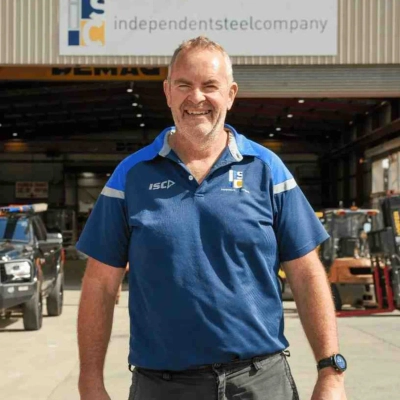
Darren Tredgold — General Manager, Independent Steel Company
Set Clear, Long-View Focus
We used one blunt rule: if a project did not protect customer service, core operations, or a strategic edge we would still care about in 12 months, it was first in line to freeze. The part that kept morale and delivery on track was making the call cleanly, not starving everything a little, so the team could see what mattered and why. In a squeeze, people cope better with fewer clear priorities than a long list of half-funded promises.

Orrin Klopper — CEO, Netsurit
Uphold Security And People First
I've spent 27 years scaling Netsurit into a global MSP, navigating everything from early-stage growth to complex acquisitions. My strategy centers on a "people-first" mindset that aligns technology with long-term business aspirations.
When budgets tighten, I freeze projects that don't directly support our "always on" security mission, while protecting foundational tools like InnovateX for Accounting. We used this approach with firm Machen McChesney to shift them from a reactive fear of ransomware to a proactive, AI-ready firm.
My non-negotiable rule for morale is protecting our "Dreams Program," which helps employees achieve personal goals. Keeping this investment active during a squeeze proves that our "People first, customers second, profits third" philosophy is a commitment to their growth rather than just a slogan.
This prioritization ensures we only pause initiatives that are secondary to our core values. By maintaining our focus on security and employee purpose, we keep delivery on track without sacrificing the culture that makes us a trusted partner.

Alan Araujo — AI Strategy & Keynote Speaker | Founder, Lux MedSpa Brickell, Alan Araujo
Advance Proven Paths To Adoption
When facing a midyear budget squeeze I freeze projects that remain in exploration and do not show a clear path to adoption or scaling. My guiding priority is adoption, moving from exploration to exploitation, so I protect work that demonstrates a practical path to use and value. One rule I apply is simple: only continue funding initiatives with explicit operational adoption milestones and a clear plan to scale human impact. I communicate this as a shift toward amplifying results rather than cutting innovation, which helps keep teams focused and morale steady as we pause pilots that are not yet ready for production.

Jay Ellenby — President, Safe Harbors
Elevate Speed And Policy Compliance
I run a corporate travel management company where "midyear squeeze" often shows up as sudden cost pressure + higher duty-of-care expectations, so I'm used to making freezes without breaking service or trust. In travel, morale tanks fast if people feel stranded or unsupported, so the cuts can't hit the traveler experience.
My rule: freeze anything that doesn't measurably improve either response speed or policy compliance (because those two protect both cost control and duty of care). If a project can't show how it reduces avoidable changes, improves reporting gaps, or enforces the travel policy consistently, it waits.
Example: we'll keep investment in centralized booking + fast-response support and pause "nice-to-have" tool tweaks, because inconsistent booking is what destroys reporting and cost visibility. The minute travelers book outside the program, you lose the data that reveals where you're overspending (often incidentals like meals/ground transport) and you lose the ability to locate/help people when plans blow up.
To keep morale up while freezing, I make the rule visible and human: "we protect travelers first, then we optimize spend." People accept a paused roadmap when they see we're still removing friction (clearer policy answers, flexible accommodations, quick help when flights cancel) instead of just saying "do more with less."

Martin Davis — Owner, Extreme Kartz
Reduce Unknowns For Customers
I run Extreme Kartz as an education-first golf cart upgrade shop, so budget squeezes hit in very visible places: support time, fitment checking, and the content that prevents wrong purchases. The quickest way to stall strategic goals in eCommerce is freezing the things that keep customers successful after checkout.
My one rule: if it reduces "unknowns" for the customer (fitment accuracy + install expectations), it stays; if it adds "newness" without reducing confusion, it freezes. That kept morale steady because the team could see we were protecting the work that prevents headaches, returns, and angry tickets.
Example: I won't freeze our technical support process or the compatibility-driven buyer guides (like lithium battery conversion and controller upgrade guidance), because they directly stop incorrect orders and set honest expectations. I will freeze "nice-to-have" catalog expansion or experimental accessory bundles until the core upgrade paths are documented and supportable.
To keep delivery on track, I make every freeze decision answer one question in writing: "Does this make it easier for a beginner or builder to pick the right system for their exact cart model?" If the answer is no, it's a pause--not a priority.

Nabilah Shamseddine — Founder & CEO, Barkology Wellness
Resolve Constraints And Guard Standards
I've had to make these calls as a multi-unit operator and area developer in fitness, and now leading franchise operations for Barkology Wellness where the "product" is a premium, consistent experience (grooming + wellness like PEMF/red light). In a midyear squeeze, I decide fast based on what protects the client experience and the team's ability to deliver it every day.
My prioritization rule: If it doesn't remove a bottleneck in the next 30 days and doesn't protect a non-negotiable brand standard, it freezes. Strategic goals don't die; they get sequenced behind the work that keeps quality, safety, and retention intact.
Example from Barkology: I'll freeze "nice-to-have" launches (extra retail drops, new event concepts, additional marketing experiments) before I ever touch the training, tools, or scheduling capacity that keeps grooms on time and wellness sessions smooth. If a project doesn't reduce no-shows, shorten cycle time, or improve handoff quality, it waits.
Morale stays up because the rule is fair and visible: the team sees we're not cutting randomly--we're protecting what they're proud to deliver. I put the freeze list on one page, name the owner, and set a reopen trigger (like "when the schedule is consistently stable enough to add X back") so it feels like a pause with a purpose, not a dead end.

Andrew Lamb — Founder & Owner, 4 Leaf Performance
Fund This Week's Top Three
With 25 years in senior global leadership at HP and now leading M&A integrations at Buy and Build Advisors plus coaching at 4 Leaf Performance, I've guided dozens of teams through midyear cash crunches without derailing growth.
I freeze projects not linked to our top 3 quarterly priorities or key scorecard metrics like revenue pipeline and gross margin. In one scaling case from $500K revenue, we paused marketing experiments but kept sales ownership rhythms and data reviews running, preserving momentum toward $1M.
My one prioritization rule: "Only fund what hits this week's top 3 priorities from the leadership review." It kept morale high by making decisions transparent and data-driven, so teams saw progress on visible wins instead of arbitrary cuts, and delivery stayed on track through consistent weekly resets.

Don Larsen — CEO, Saga Infrastructure
Shield Crews, Contracts, And Integrations
I'm a hands-on operator running a multi-market civil construction platform (Saga) and I'm in the weeds on acquisitions, integration, and keeping regional teams executing without losing their identity--budget squeezes are where alignment gets tested.
My one rule: freeze anything that doesn't protect (1) contractual delivery/safety or (2) the next acquisition/integration capability we've already committed to in the field. If it doesn't keep crews safe, projects moving, or a newly partnered company stable, it waits.
Example from our playbook with acquisitions like RBC Utilities and Carolina Precision Grading: I'll pause "nice-to-have" corporate systems or back-office upgrades, but I won't freeze field-critical support (safety programs, tech that reduces rework, PM coverage) because breaking trust during a transition costs more than the savings.
Morale stays intact because the rule is consistent and local: regional leaders can keep operating autonomy, and I'm explicit that we're not cutting the muscle (execution and people), we're cutting the optional friction until cash pressure clears.

Jennifer Schaefer — Founder & CEO, JS Benefits Group
Convert Liabilities Into Controllable Commitments
During a midyear squeeze I pause projects that do not protect core employee support or reduce long-term fixed costs, and I keep work that sustains satisfaction and operational delivery. My single prioritization rule is to preserve programs that convert unpredictable, ongoing costs into controlled, conditional spending while pausing discretionary efforts. In practice that means modestly adjusting how we fund protections and communicating those changes clearly to employees. Clear explanation and predictable, limited changes keep morale steady and allow teams to continue delivering on strategic goals.

Drew Isaacman — Owner, Teak & Deck Professionals
Win With Fast Phone Quotes
With my MBA and two decades crafting go-to-market strategies for Fortune 500s like IBM, AT&T, and Callaway Golf--plus consulting for Aetna and Humana--I've scaled Teak & Deck Professionals through budget crunches using data-driven ops.
We freeze non-core projects like one-off sign maintenance (e.g., Heli-Mart in Irvine) to safeguard revenue from teak restoration and deck sealing, which serve thousands across San Diego, OC, and LA.
One rule: Prioritize firm over-the-phone quotes for on-site jobs--90% of work happens there, turning 5-15 teak pieces like-new in one day. This kept morale high with quick, pride-filled turnarounds and delivery on track, as customers return transformed backyards next afternoon.

Runbo Li — CEO, Magic Hour AI
Serve The User Above All
I'm Runbo Li, Co-founder & CEO at Magic Hour.
The rule is simple: never freeze anything that touches your user directly. Everything else is negotiable.
When you're running lean, which David and I have done from day one as a two-person team serving millions of users, you don't have the luxury of spreading resources thin across "nice to have" initiatives. A budget squeeze forces clarity, and honestly, that clarity is a gift. The projects that survive should be the ones where, if you paused them, a user would notice within a week.
We hit this exact inflection point early on when we had to decide between investing in internal tooling improvements and shipping a new template category that creators were requesting constantly. The internal tooling would have made our lives easier. The template work would make our users' lives easier. We chose the users. Every time. And that decision paid for itself because user growth funded everything else downstream.
Here's the prioritization rule that keeps both morale and delivery intact: I call it the "one user, one story" test. Before any project gets greenlit during a squeeze, you have to name one specific user who needs it and tell the story of how their experience changes. If you can't do that in two sentences, the project is a freeze candidate. It's not about ROI spreadsheets or weighted scoring matrices. It's about whether your team can feel the human on the other end.
This does something powerful for morale too. When you freeze a project, people take it personally. They built that thing. They care about it. But when you explain the freeze through the lens of "here's the user we're choosing to serve instead," it reframes the conversation from loss to focus. Nobody feels cut. They feel redirected toward impact.
The biggest mistake leaders make during budget squeezes is treating every project as equally painful to pause. They're not. Some projects are keeping the lights on for your customers. Others are keeping the lights on for your org chart. Know the difference, and you'll come out of the squeeze faster than you went in.
Constraint doesn't kill strategy. Indecision does.

Scott Shannon — Owner, Creative Concrete Coatings
Secure Adhesion, Eliminate Costly Callbacks
I'm the owner of Creative Concrete Coatings in Monroe, GA (Marine Corps vet, 25+ years in construction/coatings, 455k+ sq ft installed), so I've had to make midyear calls that protect the core work while keeping customers happy and crews productive.
My rule: freeze anything that doesn't improve adhesion or reduce rework on the next 30 days of installs. In coatings, if prep and substrate conditions aren't right, you don't "delay" a problem--you buy a callback.
Example: I'll keep funding surface prep (grinding/repair/cleaning) and moisture mitigation barrier systems because they prevent bubbling, peeling, and delamination in basements, kitchens, and commercial spaces. I'll pause nicer-to-have upgrades like extra decorative options, showroom tweaks, or experimentation, because they don't save a failed floor.
Morale stays up because the team sees a clean standard: we're protecting "do it right the first time," not just cutting costs. Clear communication is part of the job--when everyone knows the rule, decisions feel fair and delivery stays predictable.

Brent Burghdorf — CEO & CMO, Imprint
Double Down On Acquisition And Retention
I've run Imprint through enough mid-year squeezes to know that the biggest mistake is treating a budget cut like a across-the-board trim. That kills momentum on everything instead of protecting what actually moves revenue.
My one rule: freeze anything that doesn't have a direct line to client acquisition or retention. In paid media, that meant pausing experimental campaign structures on secondary platforms mid-year and doubling down on the Meta and Google channels already hitting ROAS targets. Those kept delivering while we sorted out the budget, and clients never felt the disruption.
For morale, the key was being explicit with the team about why something was paused versus killed permanently. When we froze a TikTok expansion mid-year, I told the team clearly it was a timing decision, not a verdict on the idea. That distinction matters more than people realize--freezing without context reads as failure, and people start updating their resumes.
The prioritization question I ask every time: "If we only fund half the roadmap, which half makes next quarter's numbers defensible?" Everything that can't answer that clearly goes to the freeze list first.

James Weiss — Managing Director, Big Drop Inc.
Ditch Habit Work, Demand Clear Impact
In a midyear budget squeeze, I freeze the work that is mostly sustaining an old routine rather than moving customer-facing outcomes forward. My rule is simple: if a project cannot clearly explain the "why" and the impact in plain terms, it pauses until it can. I have seen teams get stuck following a process created years ago, and that is usually where time and budget quietly disappear without improving results. To keep morale and delivery on track, we protect a small set of high-impact priorities and invite the team to challenge what feels automatic, including approvals and steps that no longer serve the goal.

Terry Zastrow — Owner, ZBM, Inc
Always Support Regulated Emergency Responses
With 30 years running ZBM Inc., a certified cleaning firm serving state agencies and municipalities in Wisconsin, I've navigated midyear budget crunches by prioritizing emergency services over routine ones to safeguard our core goal of reliable disaster response.
We freeze elective projects like new office cleaning contracts, but never biohazard cleanups or hoarding remediation, which demand immediate action to meet regulations and client safety needs.
My rule: Always fund HAZWOPER-trained responses first--those keep us compliant and billable during squeezes. In one case, we paused routine commercial bids to fully staff a hoarding cleanup with mold removal, preserving delivery without overtime burnout.
This transparency boosted morale; crews stayed motivated knowing budgets backed their specialized skills, not expansions.

Mark Bietz — CMO, Halloween Costumes
Slash Complexity, Preserve Near-Term Throughput
We use a time horizon filter to guide decisions. If an initiative strengthens this year's core engine we keep it moving. If it depends on upstream decisions long testing cycles or cross functional bandwidth we no longer have we freeze it. In a budget squeeze complexity becomes expensive faster than cost and projects with many dependencies often lose momentum before they create value.
The rule that kept teams steady was to pause based on dependency count and not excitement level. This removed emotion from the process and helped everyone stay objective. We showed that we were protecting speed and execution instead of blocking bold ideas. With fewer moving parts we improved handoffs made faster decisions and built stronger confidence across the team.

Kyle Barnholt — CEO & Co-founder, Trewup
Stop Underfunded Efforts, Reward Real Impact
The rule that kept morale and delivery on track was simple. We do not ask a team to carry work that we are not ready to support with resources. During tight budget periods we chose to stop a project fully instead of leaving it weak and slow. People lose energy faster when things are unclear than when they hear a clear no.
We ranked work based on real business impact. If the result would not affect revenue quality customer trust or future discipline it moved lower. We explained every decision in plain words and gave a clear review date. This helped teams stay focused because they knew priorities were steady and not just quick reactions.

Christopher Coussons — Director, Visionary Marketing
Pause Long-Tail Bets Now
Chris here -- I run Visionary Marketing, specialist SEO and Google Ads agency.
Midyear budget squeezes are brutal because they force you to choose between things that all feel important. But here's what separates agencies that recover well from ones that spiral: the willingness to cut ruthlessly instead of shrinking everything by 20%.
When you shrink everything equally, nothing gets done properly. You're half-staffing projects, running campaigns on skeleton budgets, and delivering mediocre work. That kills morale faster than saying "we're pausing the content refresh project entirely."
This happened to us in early 2024. Ad spend rose faster than anticipated, and by June we were £47,000 short of our operating target for the rest of the year. The instinct was to slow all activity--fewer new client onboards, delayed tool upgrades, smaller campaign budgets across the board. That would've been a death march.
Instead, we froze exactly one initiative: our planned rebrand and website redesign. That decision freed up enough budget to protect payroll, maintain campaign delivery, and actually hire a contractor to handle some of the overflow work. It felt counterintuitive to pause a visibility project, but the logic was clean: that rebrand improved our pipeline probability, not our existing revenue. Everything else we were doing was tied directly to current client delivery and retention.
The rule I use now is this: freeze projects with the longest timeline to impact first. Your rebrand, your new product feature, your experimental content pillar--those are the first to pause. Your core client work, your team retention, your revenue-facing operations--those are the last.
The morale win came from clarity. We told the team exactly what was paused and why, and they knew payroll wasn't on the chopping block. That permission to stay focused actually accelerated delivery on active projects because nobody was context-switching between three half-funded priorities.
The sharp takeaway? Brutal cuts with clear reasoning beat slow strangulation every time.

Walt Carter — President, THG Advisors
Audit Alignment, Champion High-ROI Roadmaps
With over 30 years of experience leading digital transformations at organizations like Fidelity and Gannett, I prioritize projects that shift IT from a cost center to a revenue engine. My perspective is rooted in my time as a technical officer in the U.S. Air Force, where I learned to focus strictly on mission-critical systems during high-stakes resource constraints.
I choose which projects to freeze by running an "IT Maturity & Opportunity Audit" to separate high-value growth levers from initiatives that don't align with our current "AI Readiness Blueprint." We pause projects that lack a clear, board-ready 12-24 month roadmap, ensuring limited capital is dedicated to initiatives with the highest measurable ROI.
My primary prioritization rule is "Love Them and Then Lead Them," which involves using radical transparency to align the team around the strategic "why" of every decision. Morale stays high when everyone sees that pausing a secondary project allows them to focus on high-impact work, like an enterprise-wide ERP modernization, that secures the organization's future.
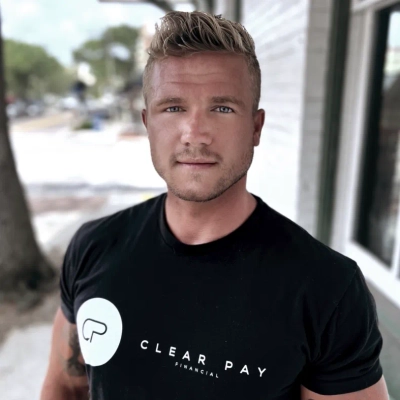
Cristian Droescher — Founder, Clear Brands,
Shorten The Path To Payment
As the founder of Clear Brands, I build performance-driven digital foundations for businesses in industries like concrete coatings and fitness. My approach centers on simplifying marketing to ensure long-term visibility and consistent lead flow even during midyear budget shifts.
I freeze projects tied to "complex trends" or experimental social strategies, protecting the Technical SEO and integrated payment systems instead. These core components act as an all-in-one solution that maintains cash flow while non-essential, high-maintenance features are sidelined.
My prioritization rule is the "Path to Payment" test: if a project doesn't directly shorten the distance between a Google search and a processed transaction, it is paused. For a client in the excavation industry, this meant halting high-cost brand videos to focus entirely on local map rankings for immediate lead generation.

Michael Raymond — Owner, Willow & Thread
Honor The Baseline, Defer Add-Ons
When budgets tighten I freeze projects that represent scope creep or new requests added after our agreed plan, while protecting work that aligns with our original strategic commitments. My single prioritization rule is simple: honor the shared written agreement as the baseline and defer anything that requires new time or money unless the sponsor accepts the trade-offs. In practice I point back to the shared doc and say, "We can totally do that, but it changes the timeline and the cost. Do you still want to move forward?" That keeps teams focused, preserves delivery on core goals, and maintains morale because expectations remain clear and changes are handled as conscious choices rather than surprises.

Michael Krowne — Founder & CEO, Faebl Studios
Target Bottlenecks, Postpone Non-KPI Efforts
I've had to make this call a lot running Faebl Studios (digital growth + ops for addiction treatment centers) and building Pivotal, where "nice to have" work can quietly steal capacity from admissions and cashflow. When you've generated 10,000+ treatment admissions for facilities, you learn fast that freezing the wrong thing doesn't just slow delivery--it hits census, billing, and team sanity.
My rule: freeze anything that doesn't improve a measurable bottleneck metric inside the next 30-60 days (speed-to-contact, VOB completion, stage-to-stage conversion, A/R days, denial rate). If a project can't name the KPI it moves and the owner who will move it, it pauses--even if it's "strategic." This keeps strategy alive because you're protecting throughput, not pet projects.
Example: in a squeeze, I'll freeze a full website rebrand or a "new channel" test and keep the small work that tightens the funnel--like fixing the admissions-to-clinical handoff, standardizing VOB steps, or improving CRM stage definitions so leads don't stall. Those are boring, but they convert demand into admissions and prevent downstream billing chaos.
Morale stays intact because the rule is fair and transparent: nobody's project dies because of politics, it dies because it doesn't move the bottleneck. I'll publish a one-page "freeze list" with the KPI rationale and a date to re-score it, so the team feels protected instead of punished.